Bee’s are important in our gardens as they play the major part in pollination. They pollinate plants, which go onto reproduce and move the pollen onto other plant for fertilising.
Did you know?
There are 270 different types of bees in the UK.
There are 24 different types of Bumblebee in the UK
There’s are many different types of bees in the UK, honeybees, bumble bees and solitary bees.
If you would like to identify the bees in your garden, I can highly recommend The Field Studies Council’s laminated garden guide to bees of Britain. They also do lot of other wonderful guides for your garden for identification of wildlife.
How to encourage Bees into the Vegetable Garden
I am a vegetable grower and not really into flower growing however I know the importance of attracting wildlife into our garden so that we can get the flowers on our vegetable plants pollinated so we can have some vegetables like peas and beans.
Last year I grew the easiest flowers I could that would need little or no maintenance during the year but would also attract the bees and flying insects to our garden. They were:
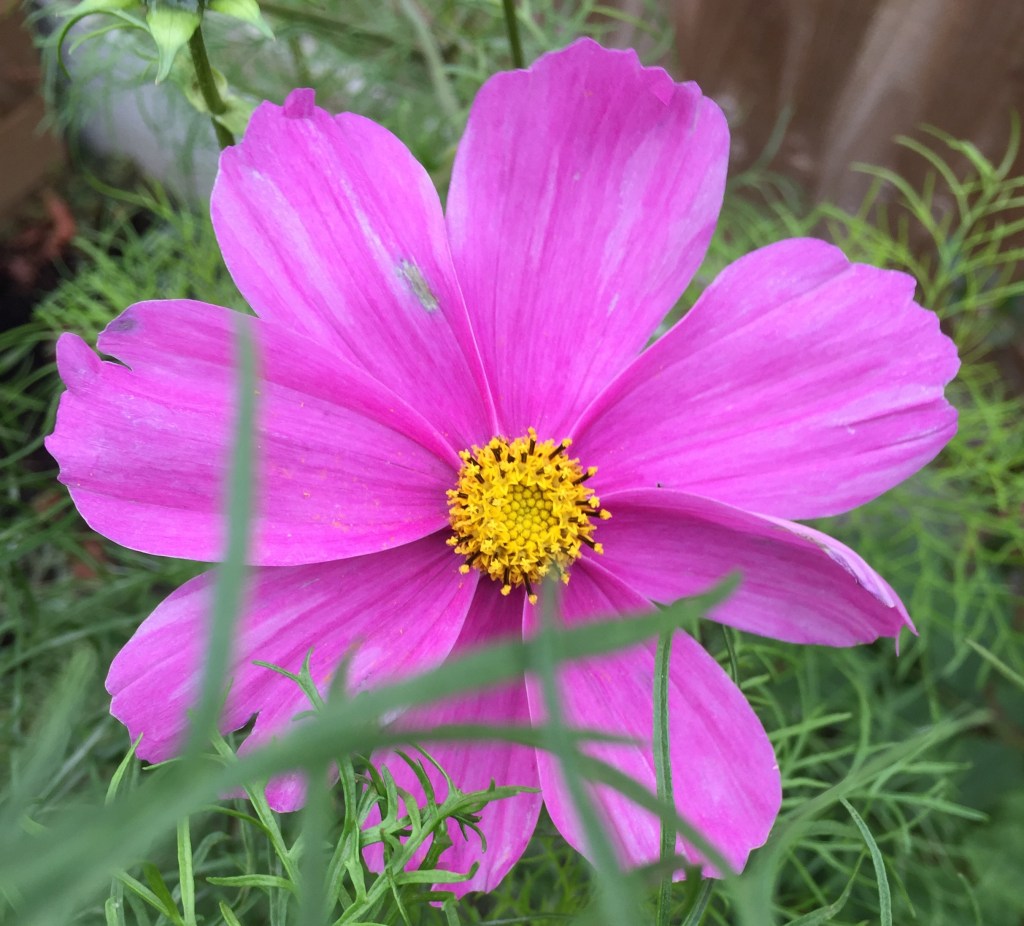
- Cosmos – a tall plant, a little bit wayward but can be contained with a few stakes, flowers are open petals and yellow pollen centre. Perfect for bees and flying insects, comes in pinks and whites mainly.
- Marigolds – yellow and orange clusters of flowers, low growing and also have added benefits of growing them next to tomatoes and basil to keep the pests away. No maintenance needed which is a bonus.
- Sunflowers – I absolutely sunflowers and they joy they bring to adults and children. In our family we always have a competition as to how tall ours can grow. They need to be sown in pots and then transplanted when they are a strong seedling. Then all they need is a sunny spot and a stake. They are a bee magnet.
- Nasturtiums – These plants start with the leaves and then the blooms of flowers keep coming all summer long. They have a creeping or trailing habit so give them some room. They come in many different fiery colours to give your garden a boost. They also attract white fly and aphids away from your vegetables. They also self seed so you’ll have some for the next year as well.
- Borage – This is a bee and butterfly magnet. A medicinal herb from the Middle East grows up to 60cm high with blue or purple flowers. It attracts pollinators to the vegetable garden with ease.
Vegetables like beans, peas and mange tout also have beautiful flowers which attract bees and other insects into your garden.
More interesting Reading about Bees



 sowgrowharvest.co.uk
Leave a comment