The weather is still cold in the UK however the hours of light have increased, making it the perfect time to start sowing vegetable seeds of that take the longest time to grow. Here’s some ideas to get you started.
Top 5 Vegetables that take a long time to grow
1. Parsnip – 180 days
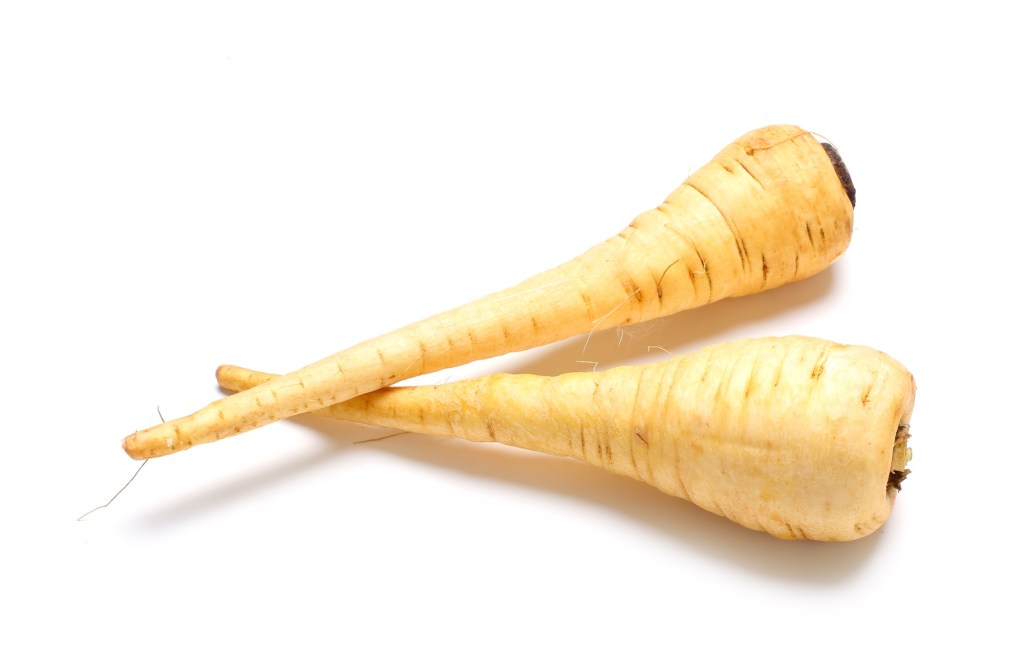
I have always avoided growing parsnips due to the fact they do take ages to grow. However this year I’m going to try growing them, as I do love to eat them.
Parsnip – Do’s
Parsnips can be sown direct into the soil in raised beds in February but the temperature must be at least 12 degrees centigrade for the seeds to germinate or in colder areas leave it a bit longer so the soil warms up and sow in March.
Parsnips – Don’ts
Parsnips are a root vegetable and do not like to be grown in modules and transplanted. They like to be sitting in the same soil for 180 days until harvest.
2. Sweet Peppers – 75 to 90 days
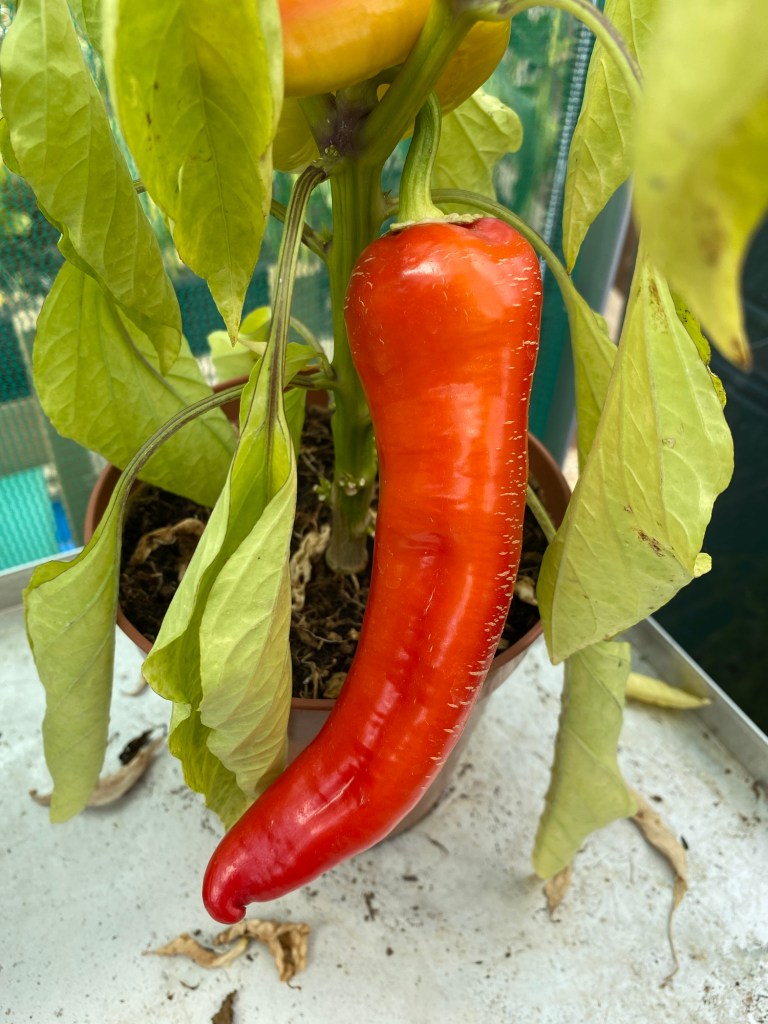
Sweet peppers do take a long time to grow but it is definitely worth the wait. Last year I started my sweet pepper seeds inside on a windowsill in February and they successfully grew and I harvested lots bulls horn peppers in Late August into early September.
Sweet Pepper – Do’s
Sweet Peppers are usually grown in tropical locations and therefore need to be started in February with heat and light or kept inside near a window.
Sweet Pepper – Don’ts
Sweet peppers do not like the cold so don’t start them outdoors. They also don’t like sitting in overwatered compost.
3. Tomatoes – 60 to 100 days
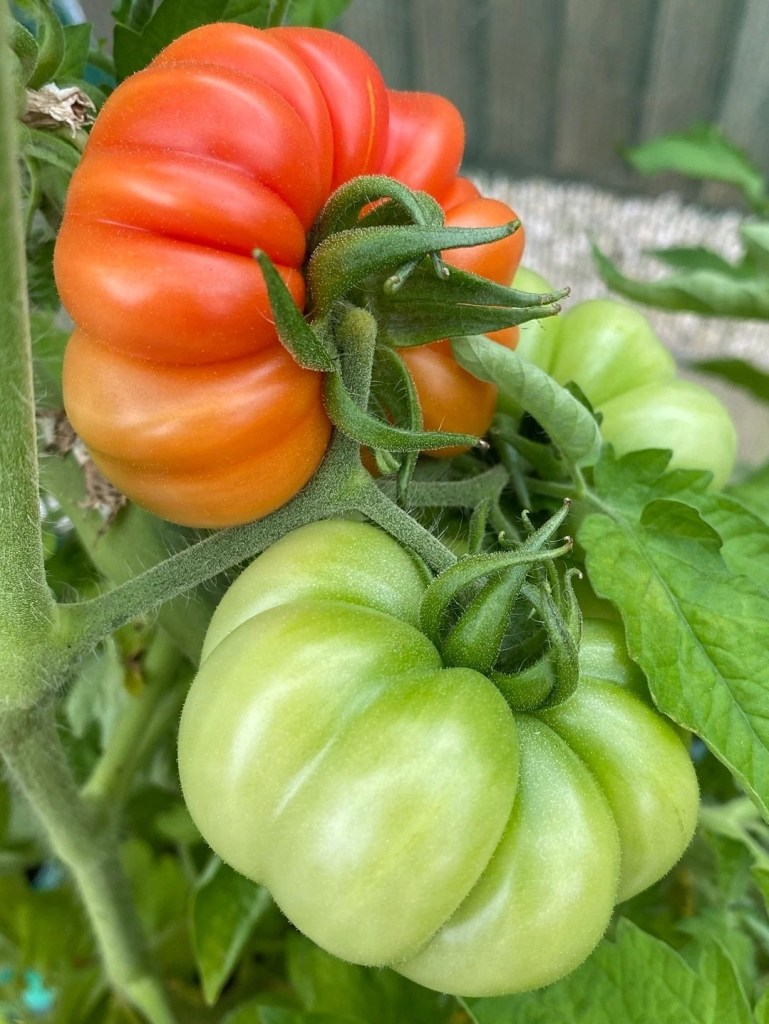
Every one loves tomatoes! You can sow them in February if you have heat and light or sow indoors to get them started.
Tomatoes – Do’s
Tomatoes take approx 6-8 weeks to grow into plant from seed therefore at this time, they needed to be potted on into bigger pots and ideally put into a greenhouse. The weather has to have warmed up by then. So count 6-8 weeks back from your last frost date and sow seeds then.
Tomatoes – Don’ts
Don’t overwater your seeds or seedlings especially when starting them off indoors. Remember to move any covers to containers when the seed germinates and make sure it has enough light from a window to grow tall but not leggy.
4. Onions – 90 to 100 days
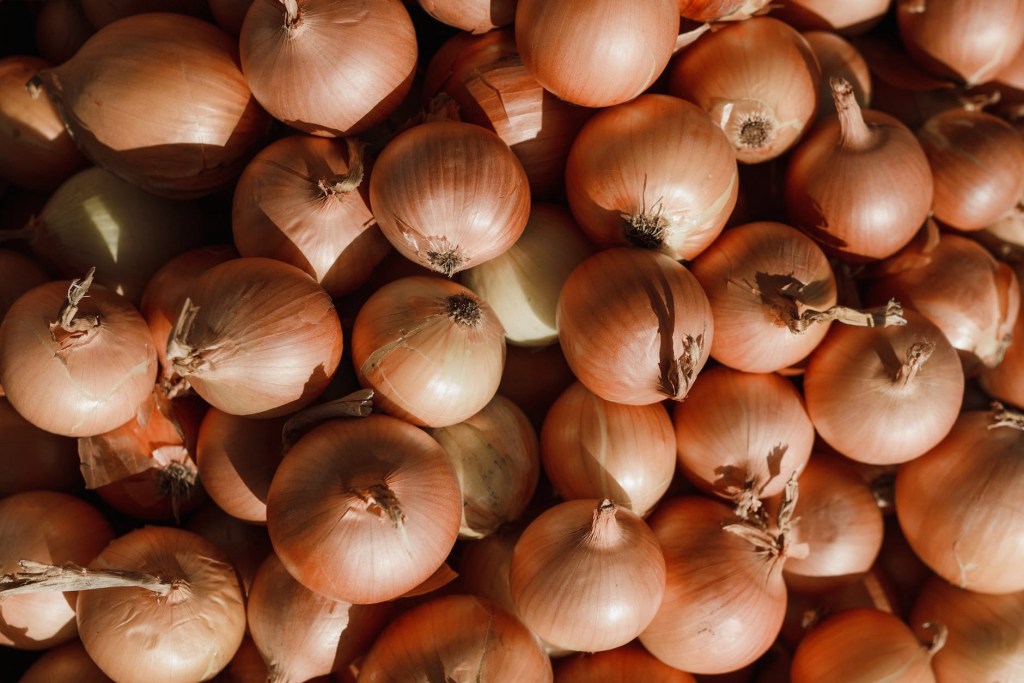
There’s two ways of growing onions – from seed or from bulbs or sets. From sets, it takes approx 80 days to harvest.
Onion – Do’s
Sow onion seeds in modules in January, February and March so they can be planted out in March, April and May.
Onions can be grown in raised beds or containers 25-30 inches deep as they are shallow rooted.
Onion – Don’ts
Don’t start sowing Onion seeds outdoors directly into the soil especially if it is too wet. The onion seeds could rot. Also it takes longer for the seeds to germinate outside which will delay the plants getting to maturity. It is better to start sowing onions in modules.
5. Leeks – 80 – 150 days
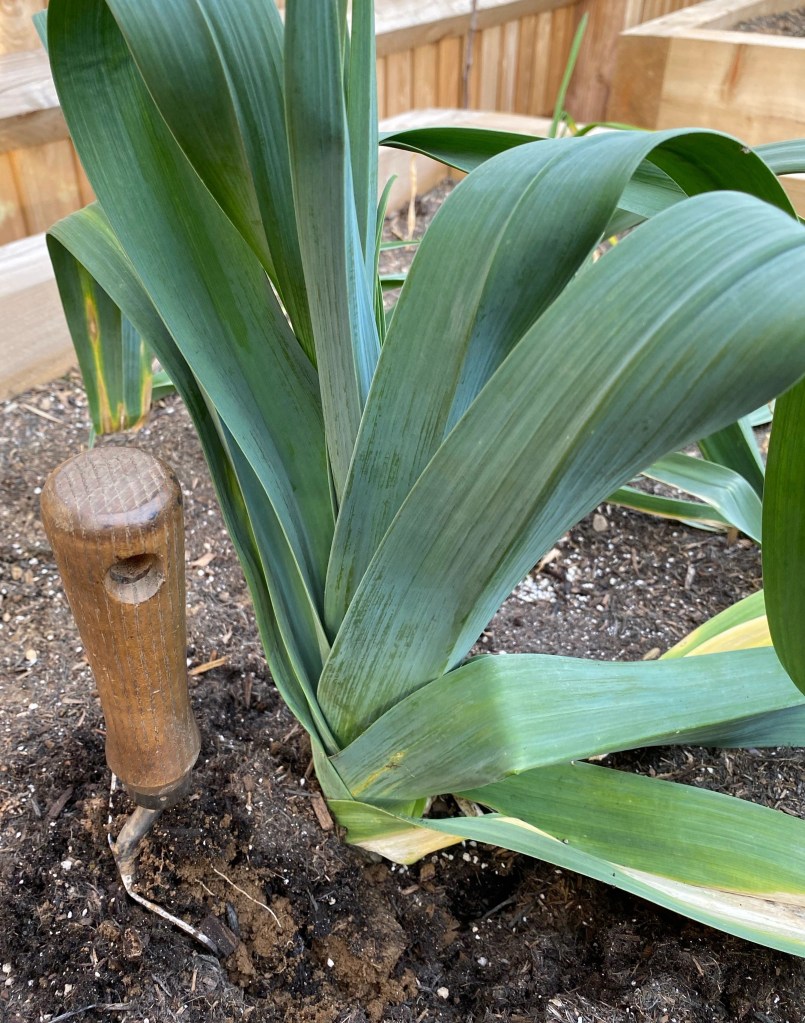
I missed growing my leeks this year so I’ll be sowing these in February for a crop this winter into next year.
Leeks are an easy to look after vegetable but they do need water in dry periods.
Leeks – Do’s
Sow Leeks into root trainers or deep containers so they can be planted outside when they grow to approx 15-20cm long.
Leek – Don’ts
Leek’s don’t like their roots in too much water so make sure your soil is neutral in PH, has compost as well as a free draining soil mix. This will reduce the chance of soil becoming waterlogged.
Other Vegetables to Sow in February
Broad Beans – Growing Guide – Part 1
Broad Beans – Growing Guide – Part 2 – Comparing varieties



 sowgrowharvest.co.uk
Leave a comment