Weather in the South east of the UK is about to get very chilly at the weekend with a frost warning to UK gardeners for Sunday night.
I’ve always wondered what the cold and frost can do to your growing vegetables, so let’s find out how bad it can get.
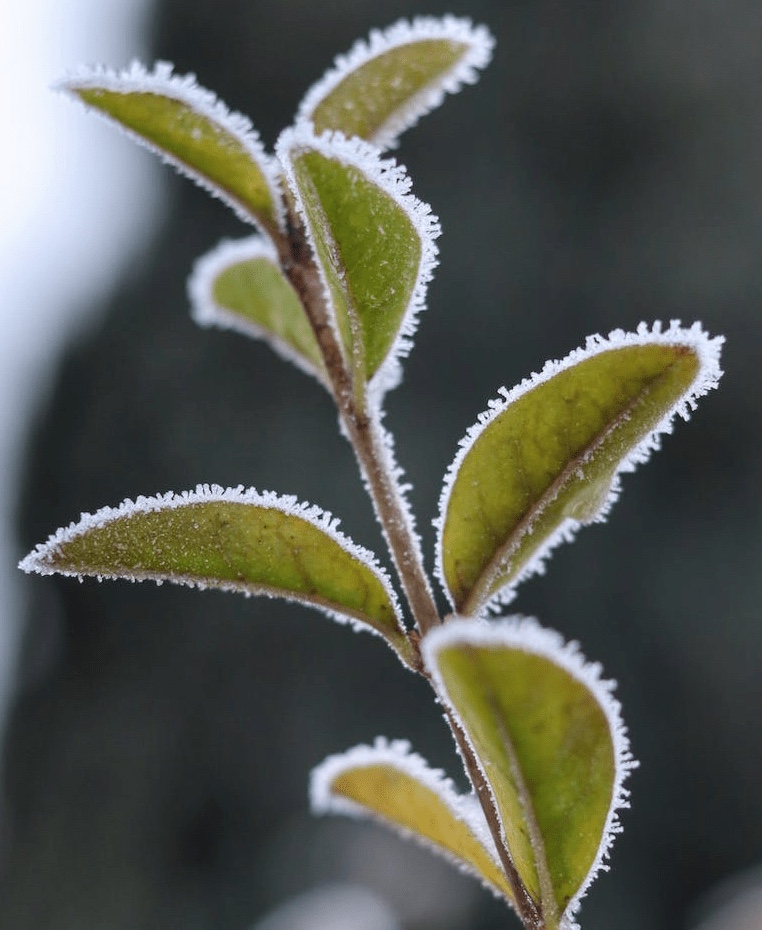
What is Frost?
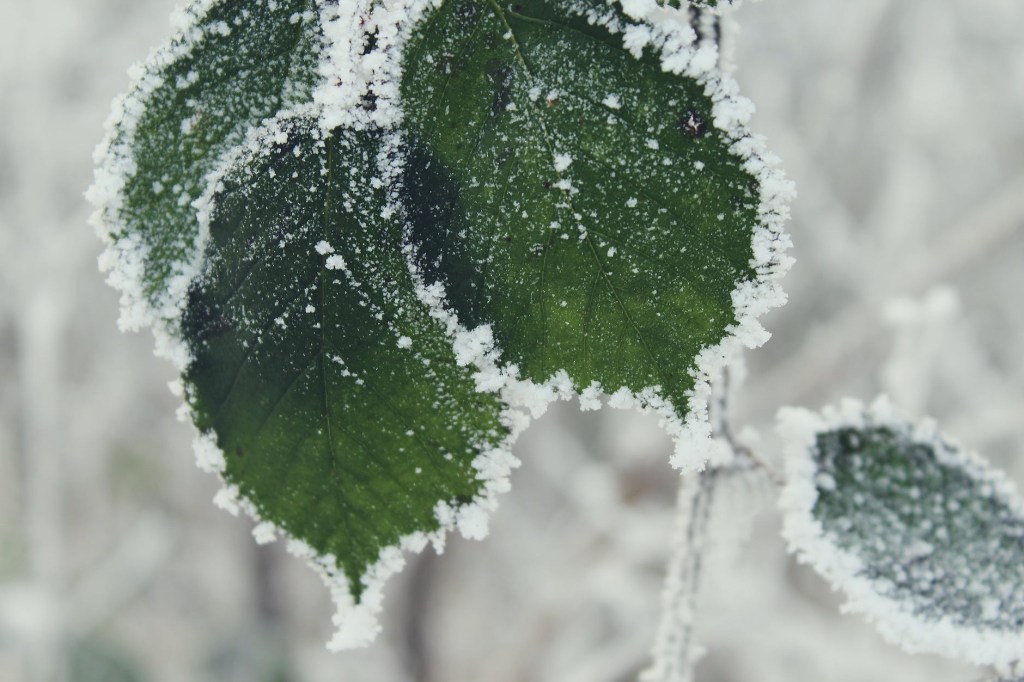
Frost is composed of tiny ice crystals and is formed when the air contains more water vapour and the temperature is below freezing point.
What Damage can Frost do to my growing Vegetables?
The cells in plants stems and leaves contain water. When the temperature goes below freezing point, this water freezes and turns to ice and bursts plant cell walls.
What Vegetables CANNOT survive a frost without fleece protection?
If you have any of the following vegetables growing in your vegetable plot. Buy some fleece protection and throw it over them on Sunday night or during cold freezing periods.
Remember to remove the fleece in the morning so the moisture doesn’t sit on the plant and go mouldy.
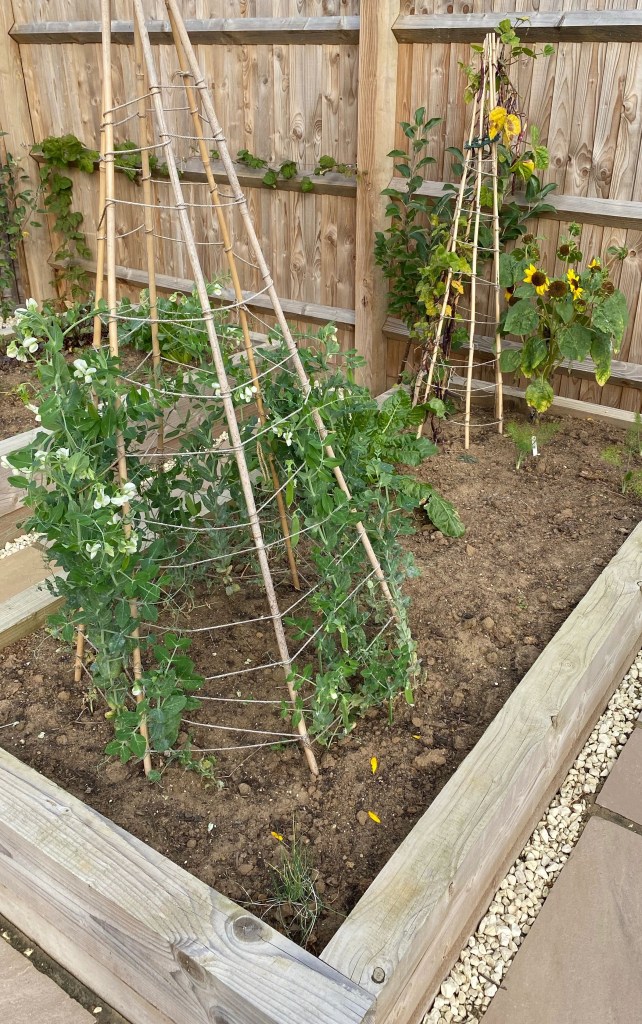
- Beans – Runner beans, French beans, climbing beans,
- Cucumber, Tomatoes, Peppers, Aubergine – these should have been harvested by now.
- Sweetcorn,
- Potatoes,
- Pumpkins and winter squashes,
- Summer squash (petty pan).
Vegetables that can survive a mild frost.
Personally I would cover with frost protection anyway as I’m worried about my peas.
- Peas
- Cauliflower
- Celery
- Winter Lettuce
- Pak Choi
Frost Hardy Vegetables
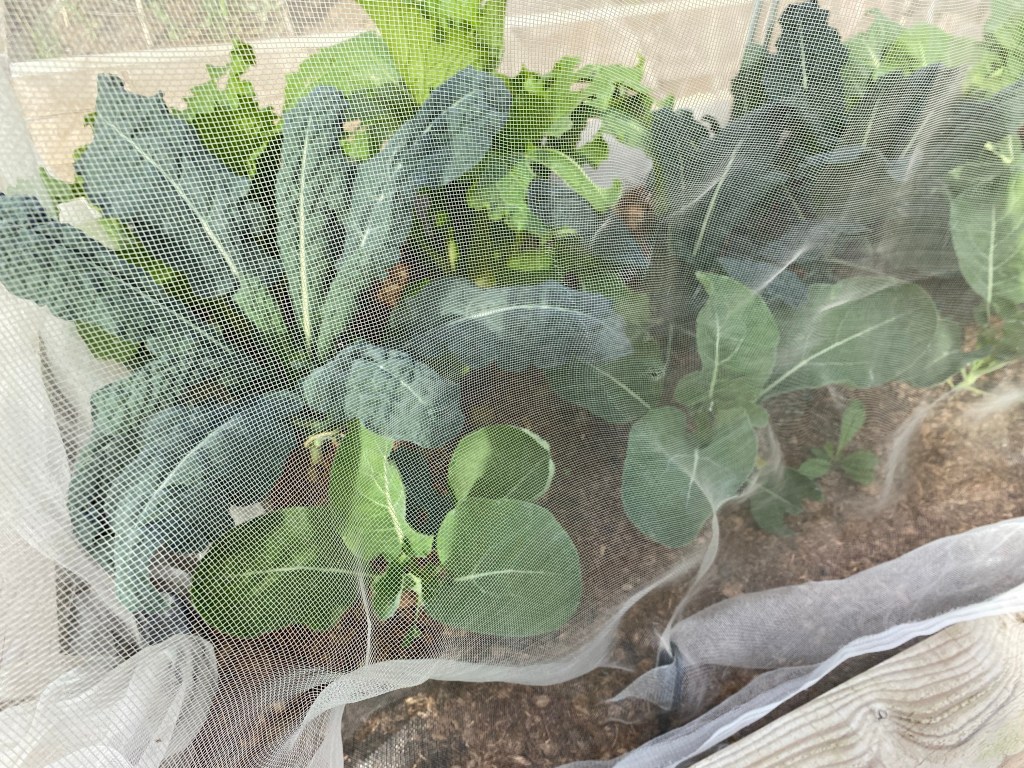
These types of vegetables are tolerant to frost. Their leaves or plant structure are made up to withstand temperatures below freezing and are able to stand in the snow and ice.
- Brassicas such as Brussels sprouts, Cabbages, Kale, Sprouting Broccoli.
- Root vegetables as they remain under the ground like Carrots, Parsnips, Beetroot.
- Leeks.
What Frost Protection Solutions are there for my Vegetables?
1. Fleece
This is a white mesh soft and very flexible like blanket. It is cheap and very light so will need to be secured on or in the ground with ground pegs or bricks.
It is readily available in Garden Centre, online and Amazon if you need it quickly.
It’s always worth having some in your shed for autumns and winter frosts.
2. Insect Mesh
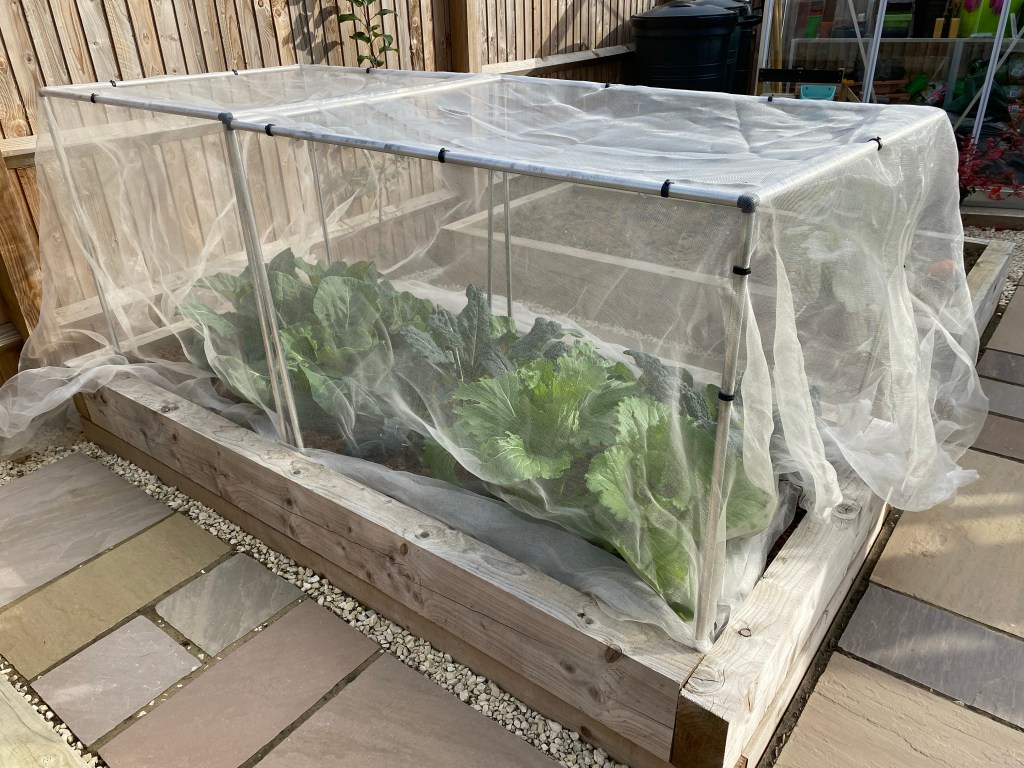
This is a thicker weaved material that lasts a long time. It is slightly more expensive than fleece. It also needs to be clipped to a frame or hoops or pegged or secured on the ground.
Insect Mesh can last the whole winter and doesn’t need to be removed. It also protects from cabbage white butterflies, insect pests and pigeons.
It protects your vegetables down to minus 5 degrees centigrade. Some of the thicker brands cover even lower minus temperatures.
4. Harvest your Tender and not Frost Tolerant vegetables now.
If you are not going to use either of the two above covering options, it would be wise to harvest any of your leafy vegetables and vegetables that are not frost tolerant before the temperatures dip below freezing at night. See list above.
5. Do nothing and hope for the best.
This is a very risky option and if you have had your pumpkin for example in the ground for a good few months, ask yourself this. Do you want to waste your hard work and have no pumpkin after the frost has hit?
My advice would be throw the fleece over the top of the plant, vine and pumpkin and hope for the best.
The Growing Winter Vegetables in Summer Series
Start Here
Vegetables to Sow & Plant for Autumn & Winter
Seeds to Sow in July and August for a Autumn and Winter Harvest
Growing Vegetables from Plants after the Summer season for a Winter Harvest
Sow & Plant in July to December
Vegetable Seeds to Sow in July
Vegetables to Sow in August & Reminder to Pre-Order Your Onions & Garlic
Vegetables to Sow & Plant in September
Vegetables to Sow & Plant in October
November – Planting Vegetables & Fruit Trees
Plant Shallots with me in November
Growing Garlic with Onions & Leeks
Planting Elephant Garlic, have you tried it? (Plant Nov to Dec)
My Essential Guide to Growing Autumn & Spring – Onions from Sets – My Free Ebook
All About Frost
Winter is Coming! All About Frost and Growing Vegetables in the Autumn/Winter.
Winter Veg Updates
Late Summer – August sowings Update for Autumn & Winter vegetables – planting out in raised beds.
We have Autumn Cauliflowers! in January
Musselburgh Leek Harvest in February
Challenge Brassica
A project to grow Brassicas (cabbage, cauliflower, kale and Brussels sprouts) throughout the autumn and winter.
📕Part 1 – The Brassica Challenge
📗 Part 2 – Soil Replenishment & The No Dig Method
📘 Part 3 – Planting & Spacings for Kale, Brussels Sprouts & Cauliflower
📙 Part 4 – Exploring Netting, Hoops, Cages for all Budgets to Cover Brassica Plants



 sowgrowharvest.co.uk
Leave a comment