
Every month I’ll be featuring a new article about beneficial insects in our gardens. Insects, bugs, beetles, flies etc are all beneficial in their own ways to growing vegetables and are great to see and study in the garden.
What is a Ladybird or Ladybug?
A ladybird or ladybug (in America) is a type of beetle that has wings and can fly. They are only up to 1cm long and have a distinctive round shape.
Ladybirds are usually red and black with spots which helps protect them against predators. They can also be other colours like yellow, brown and striped.
Fascinating Facts about the Ladybird or Ladybug
- They only live for 1 year.
- They absolutely love eating aphids, greenfly, lice and other flies.
- One ladybird can eat thousands of aphids in its lifetime of one year.
- It’s better to use ladybirds to get rid of aphids than use chemicals.
- There are 46 species of Ladybird in the UK and 3,500 species worldwide.
- The most common Ladybirds in the UK are the seven spot and two spot red and black spotted variety.
- The Ladybird flies by folding out their hind wings which measure 4 times the size of the ladybird itself.
- Ladybird wings flap at 85 times per second.
- Ladybirds can fly up to 37 miles per hour, faster than a bicycle.
- In some cultures, if a ladybird lands on you, it is considered lucky or if you see them, there’s good things to come.
- Ladybirds omit an stinky odour from glands on its feet and drop fake blood droplets when they are threatened to warn off ants, birds and people.
- They live in parks, meadows, woods, flower borders, vegetable gardens, nettle patches, shrub areas and even window boxes.
- Ladybirds are eaten by frogs, wasps, spiders, dragonflies and birds.
- Ladybirds are most active from Spring – April until Autumn – October.
Advantages to having Ladybirds or Ladybugs in your garden
The tiny humble Ladybird or Ladybug (as they are called in the USA) are more useful than they look in the vegetable garden.
There are important as they eat aphids, greenfly, lice and other flies. Some vegetables have aphid problems like lettuce and greens, so it can be beneficial to have Ladybird houses or piles of sticks or places with holes in so they can shelter or hibernate and stay in your garden to help eat the pests.
You can actually buy live Ladybird from garden centres online to help them colonise in your garden and help with pest control.
Ladybird in Flight Video
I found this amazing Ladybird in flight video on YouTube, it shows the ladybird taking off and the wings unfolding. It’s something you wouldn’t normally see with the human eye, and one of the wonders of nature.
Ladybird Resources and ID Charts
UK Ladybirds – Here’s a Free handy identification chart for Ladybirds of the UK from the UK Beetle Recording website
UK Ladybirds for Children – Check out this Free – Be a real Nature Detective – Ladybird ID chart.
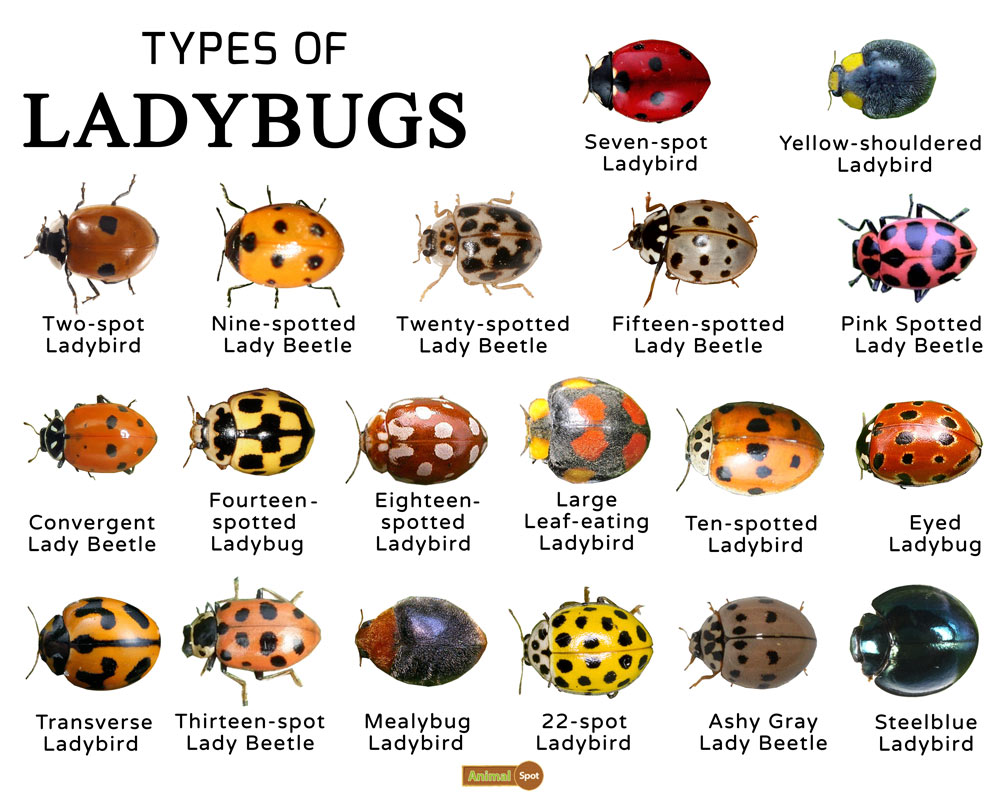
Worldwide and USA Ladybugs – Here’s a colourful identification chart from Animalspot for Ladybugs.
Featured Photo by Anton Atanasov on Unsplash



 sowgrowharvest.co.uk
Leave a comment