The Benefits of Growing Vegetables
• • •
1. Achievement of learning a skill and the results of eating fresh food.
Humans need to achieve goals as it makes them have a purpose in life as well as build confidence.
An Achievement like harvesting a vegetable can actually give greater personal satisfaction than receiving praise or recognition.
Humans also like to share their accomplishments, hence all the fantastic harvest tweets and threads on social media.
It gives people confidence that they know what they are doing and it also gives you a feeling of pride which can boost your self esteem and well-being.
2. To have fresh vegetables in your garden and on your plate. No air miles just plot to plate.
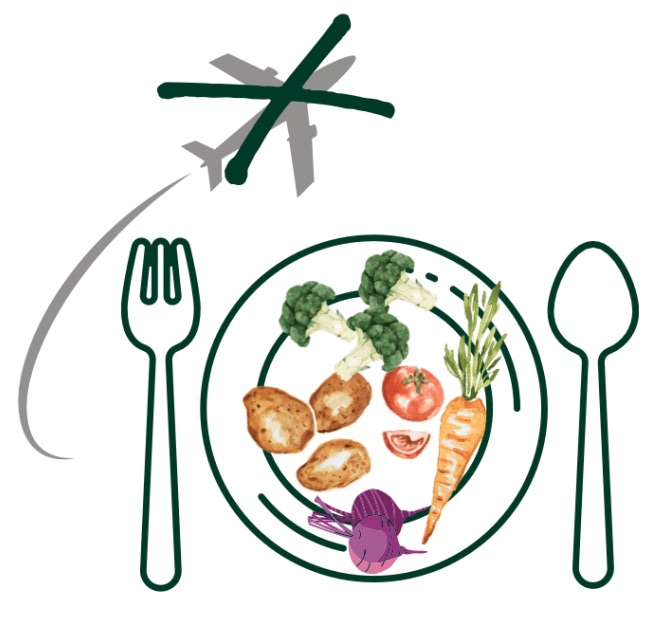
It is certainly a luxury to be able to step outside your back door to pick a bunch of salad vegetables or a courgette or two and some herbs for your dinner. There’s no food miles here.
Why are Food Miles such a problem?
Transporting food around the globe by road, across the oceans or by air produces tonnes of CO2 (Carbon dioxide) and when added to methane produced from cattle, it adds to the greenhouse gas emissions.
This is harmful to the environment and to human life.
Some fruit and vegetables that are highly perishable have to be transported by air like berries, green beans and asparagus and cause 47% more emissions.
What can we do to reduce Food Miles?
Eat Seasonally so extra transportation is not required, eat locally grown fruit or vegetables or Grow your own Fruit or Vegetables.
3. Nutritional Benefits
We all know vegetables have high nutrients, vitamins and minerals which keep us healthy.
40% of Vegetable Growers are more likely to consume more fruits and vegetables per day than those who do not.
They are also more likely to reach their 5 portions or fruit and vegetables per day as per NHS guidelines and from The World Health Organisation (WHO) than people who don’t grow vegetables.
Fruit and Vegetables are a source of vital vitamins and minerals to keep our bodies healthy and in tip top condition.
Vegetables help with introducing fibre for a healthy gut and they help reduce the risk of heart disease, stroke and some cancers.
4. Exercise

Gardening has a number of health benefits including keeping you fit through exercise.
A study has shown that just 30 minutes of Gardening can be compared to the same amount of calories burned when playing badminton, volleyball or yoga for the same amount of time.
Vegetable Growing gives the body a full body work out, with muscles in your arms, hands, shoulders, legs thighs and back will all be moving when you complete garden tasks like weeding, watering, raking, adding compost and planting plants.
Gardening can help keep your body flexible and create muscle strength.
5. Vitamin D

Vitamin D or the Sunshine Vitamin is produced by the skin when you soak up some Ultraviolet B rays from the sun.
Gardeners and outdoors lovers are out in the sun more than other people and can gain the health benefits from Vitamin D like immune system boosting properties to help prevent illnesses and support brain function.
Vitamin D can also boost your mood, happiness and help beat winter depression.
6. No pesticides or chemical residues on your vegetables.
Growing Vegetables and Fruit Organically and without the use of pesticides or chemicals means that you know that you are growing vegetables that are nutritious but without the toxins that you would get if you bought fruit and veg from the supermarket.
Farmers and commercial food producers have to use pesticides and chemicals that reduce the pests and diseases on their crops so they can produce the vast amount of food for the worldwide populations. However some of the chemicals used carry unacceptable health risks.
Every Year the Department of Agriculture produces a report on their testing of conventional and organic produce grown and imported into their country for pesticide and chemical residues.
Vegetables and Fruit as follows carry the highest number of pesticides residues according to the USDA report:
- Bell peppers,
- blueberries,
- green beans,
- potatoes,
- strawberries.
In the UK, the Government also monitors pesticide residue on fruits and vegetables. PAN (Pesticide Action Network) analyses these results and publishes a report called the Dirty Dozen List.
These are the fruits and vegetables that are most likely to be contaminated with more than one pesticide called a ‘pesticide cocktail’.
Over the years even though most of the insecticides used in the 1990’s have been banned due to them harming the bee populations, these chemicals are still found in vegetables and fruit today because they remain in the soil.
These banned toxins might not be banned in other countries so the UK is still importing fruit and vegetables with banned chemicals in them.
In the Commercial food industry in the UK, insecticides, fungicide, herbicides are used to remove pests, preserve the life of the food or for storage to extend the shelf life.
However they present a risk to children for lower birth rates, slower development and attention problems in children. Chemicals in our food can also hurt fertility, cause cancers and kidney disease
7. Grow different varieties of vegetables and never get bored with 1000’s to choose from
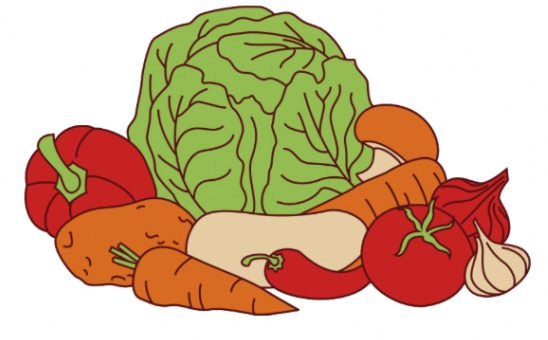
There are hundreds and thousands of different varieties of vegetables that do not appear on our supermarket shelves.
It is like a secret society to grow these historic, heirloom, and newly bred varieties and then share them to your vegetable growing community.
We are all looking for the next best tomato variety to grow for flavour, texture or shape purposes.
There is truly a vegetable variety for everyone.
8. Community surrounding growing vegetables to share your experiences

There is a fantastic Vegetable Growing community across the social media platforms like Threads and Instagram.
Gardeners from across the world share what they grow and how they grow it and hundreds of people love seeing harvests of happiness.
If you would like to Start Growing Vegetables with a community of like minded people, Join my Facebook Group.
Here are my Social Media Links:
Instagram: @traceysowgrowharvest
Threads: @traceysowgrowharvest
Facebook: SowGrowHarvest.co.uk
9. Connection to Nature – Watch the wildlife brought in by growing vegetables in your garden
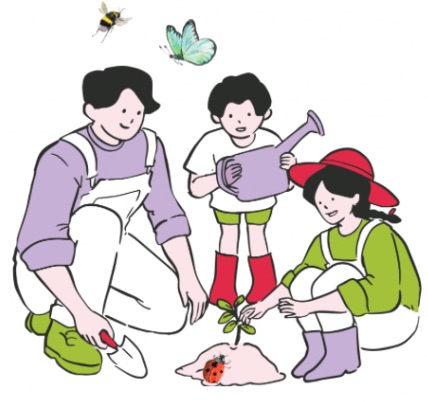
This is one of my reasons to grow vegetables is just sit amongst the vegetables and watch the wildlife fly or crawl around you.
You see so many different types of beetles, flies, butterflies, moths, dragonflies, birds and bees.
Take a few moments to sit in your garden, it is one of the most basic human experiences to take you away from modern busy lifestyles.
To attract wildlife to your vegetable garden you will need:
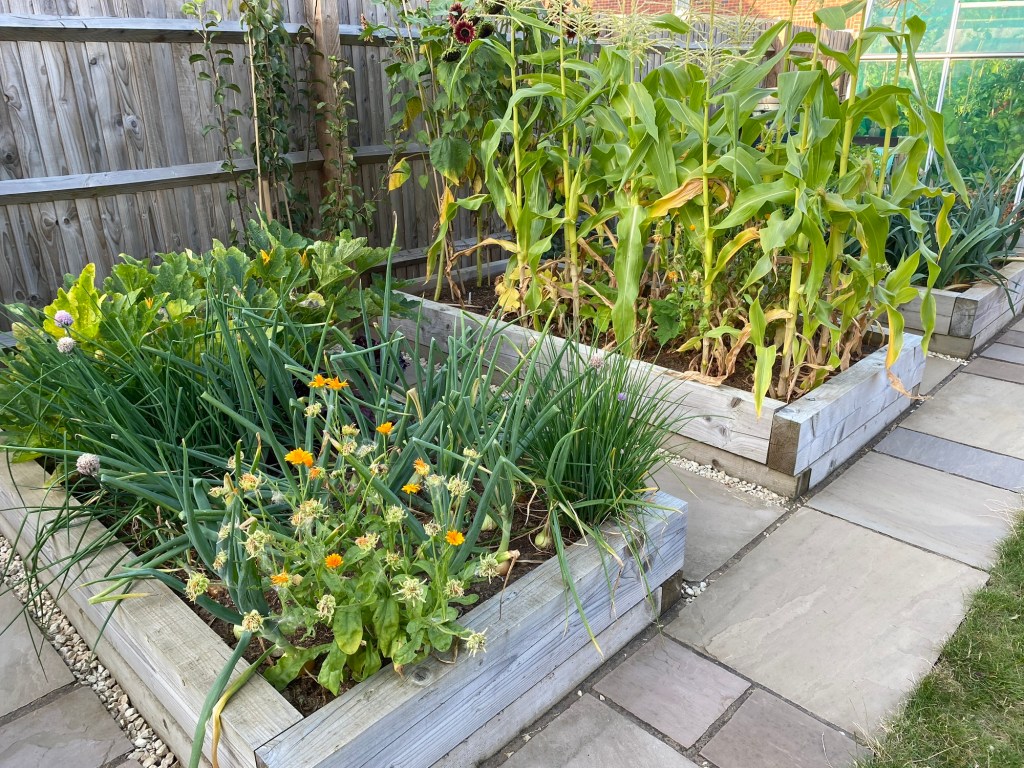
- Brightly coloured flowers, I love candela and marigolds as they also attract pests as well as look striking,
- Vegetables that grow vertically like runner beans or tall peas to create shade and height on structures for birds, dragonflies, butterflies etc to perch on,
- A water source which could be a bird bath or just a round shallow tray with stones in for small insects can drink from.
10. Good for Mental Health, mood, reduces anxiety and enhances concentration.

A Serotonin boost in our brains happens when our skin comes into contact with the soil.
A bacteria called Mycobacterium Vaccae is absorbed by the skin and activates neuron’s in our brain.
Hobbies like gardening can also switch off daily thoughts as you ‘just be’ in the garden, it can be a distraction to stressful days.
• • •





 sowgrowharvest.co.uk